Esperanza, Hope traces the evolving identity of Athens, NY through the intertwined forces of migration, immigration, and integration. Rooted in the town’s layered history—from its Indigenous origins to its role in the Underground Railroad, the arrival of Italian settlers, and the labor of African Americans in building regional infrastructure—it reflects on the shifting balance between presence and absence.
More than a documentary project, Esperanza, Hope is a platform for reconnection and recognition. It serves as both a tribute to those who have long been marginalized or rendered invisible and a microcosmic portrait of the American socio-political landscape.
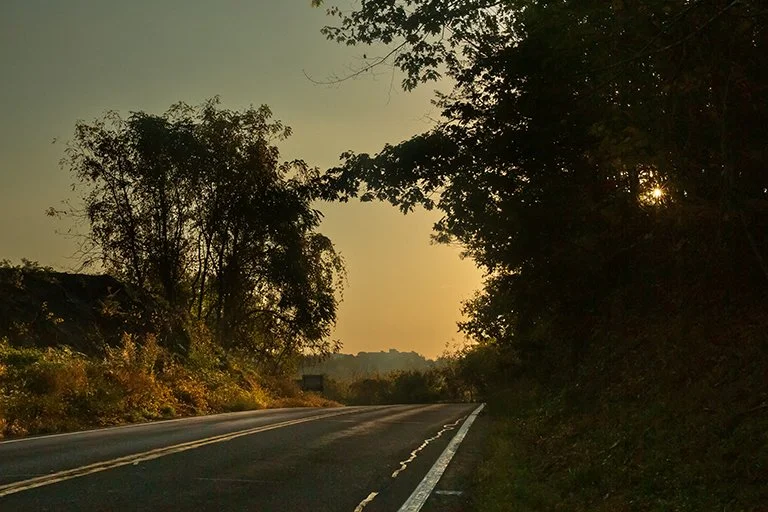
Development of infrastructure to create the United States as we know it sometimes required building roads that tore through – and often erased – sites that held deeper meaning for the local communities. Black Rock, as it is known, was once the location of an Indigenous burial ground.
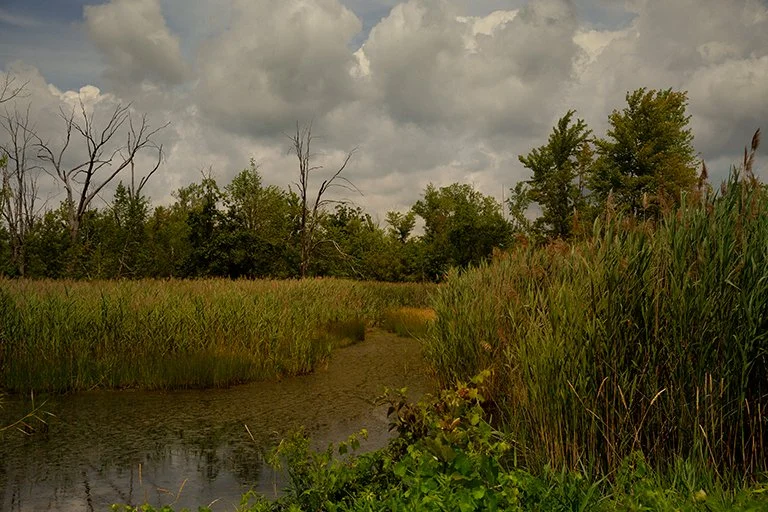
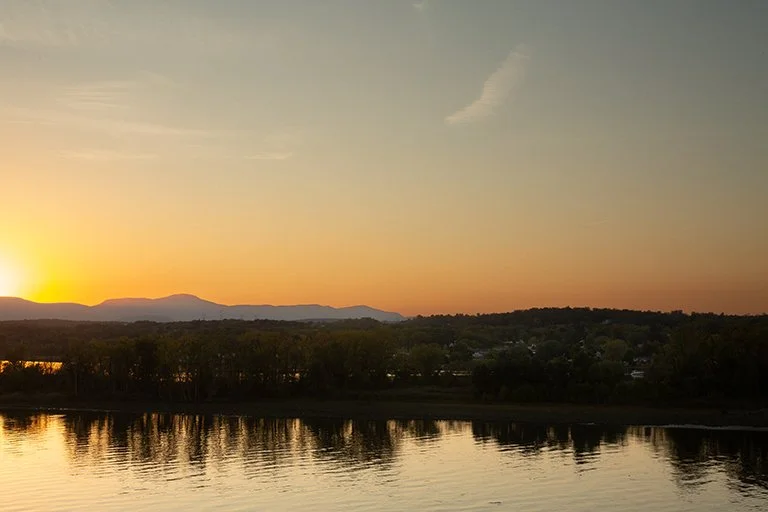
On my excursions away from the city, I was reminded that Nature itself is sacred and that some of the places I roam were once known by other names and held meaning to people who are no longer here. With no remaining markers or records, they’re remembered mostly through anecdotal history. This area, referred to by some as The Flats, is such a place, once a meeting ground for the local Indigenous tribes.
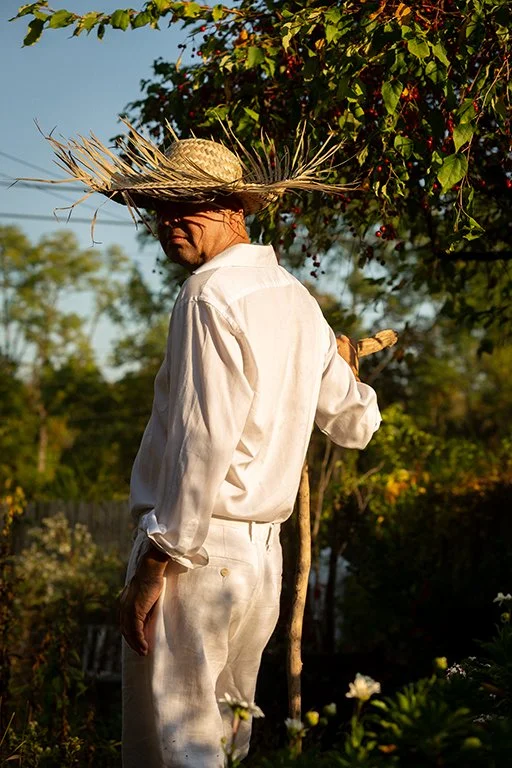
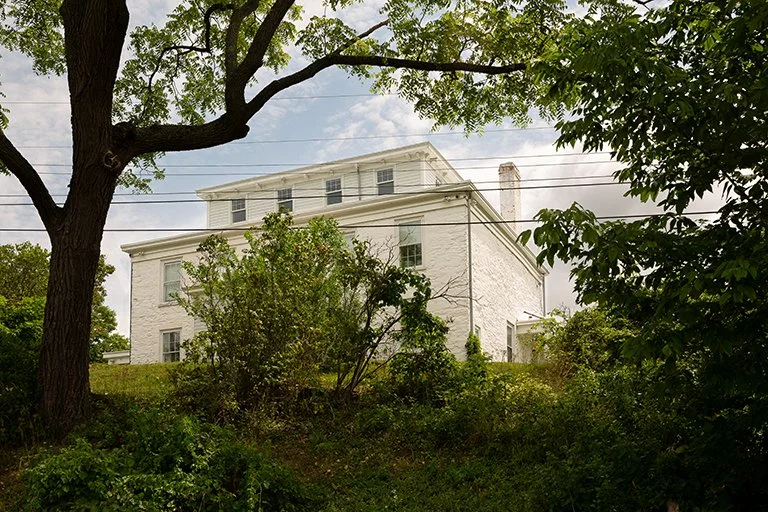
As I admired the architecture of the many lovely homes of Athens, I was reminded that their uncomfortable past is often overlooked as even now history is constantly being revised and erased. Most of these stately homes once kept enslaved people who worked and lived on the grounds. Nineteen enslaved people lived and worked at Howard Hall.
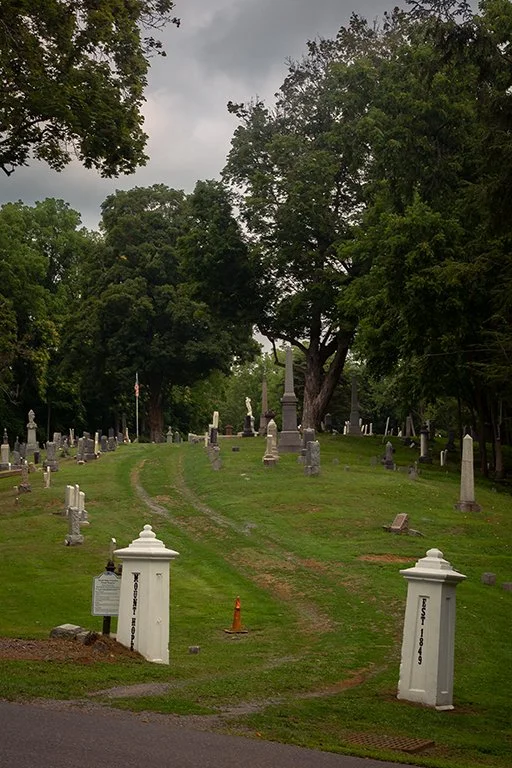
Among the many memorials of the Mount Hope Cemetery is the grave of a Black Civil War soldier. Buried on the outskirts along Market Street, his headstone is marked to signify that he was a Colored Troop.
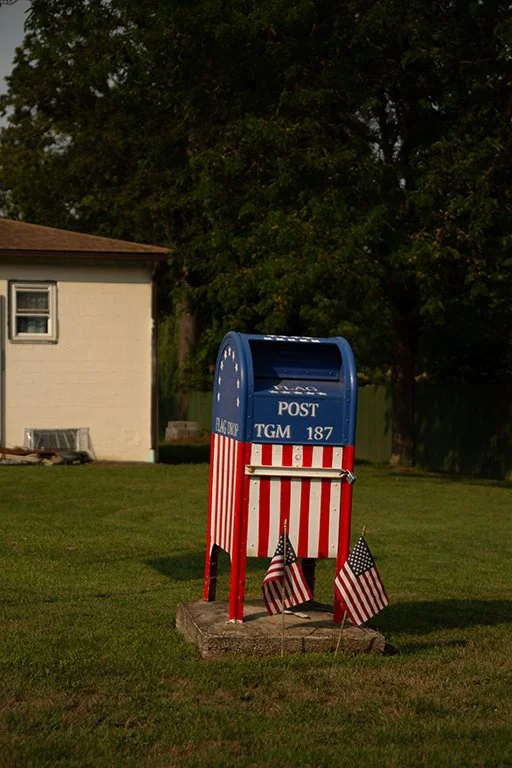
Flag Drop at the American Legion
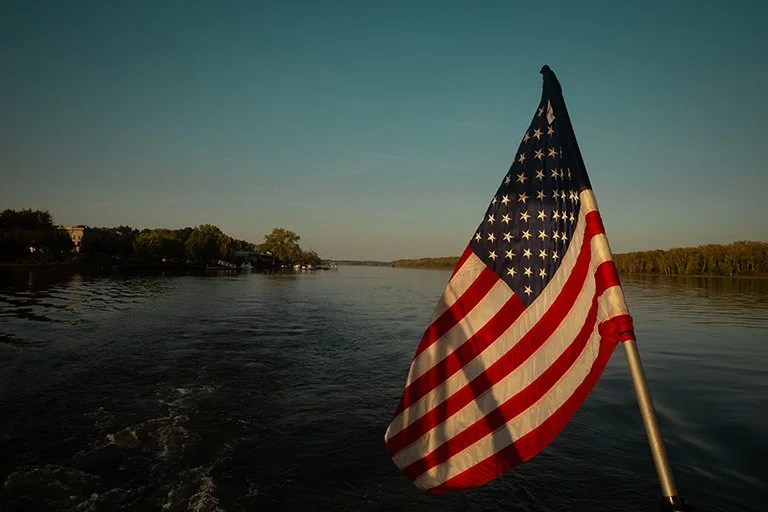
As the United States expanded, transportation and trade routes affected different facets of life in the Hudson Valley. The first ferries for profit were operated by local Indigenous Tribes, even as they were gradually displaced by surrounding expansion.
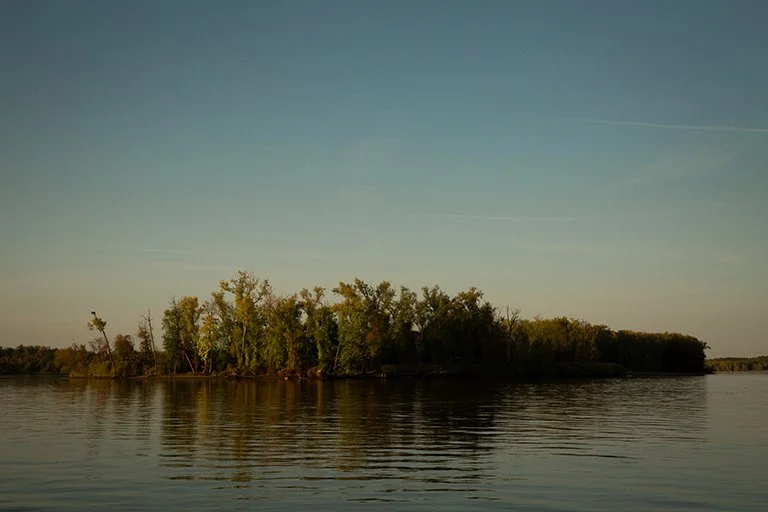
Middle Ground Flats, a man-made island, is an example of an intervention to facilitate trade and expansion.
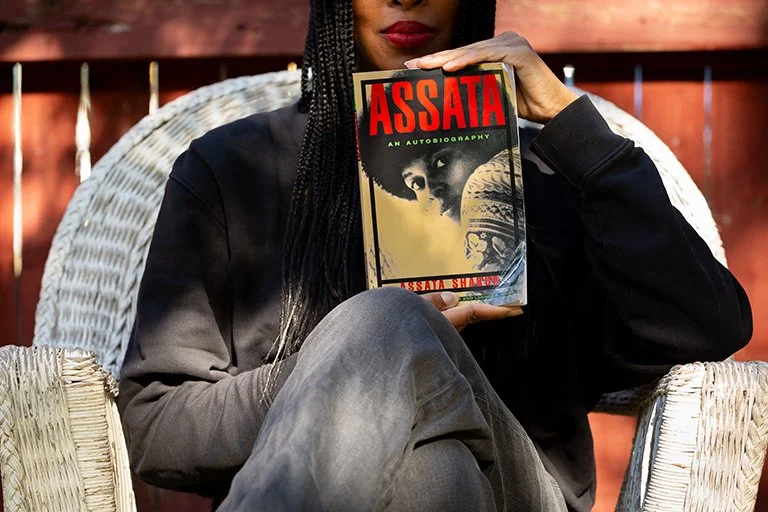

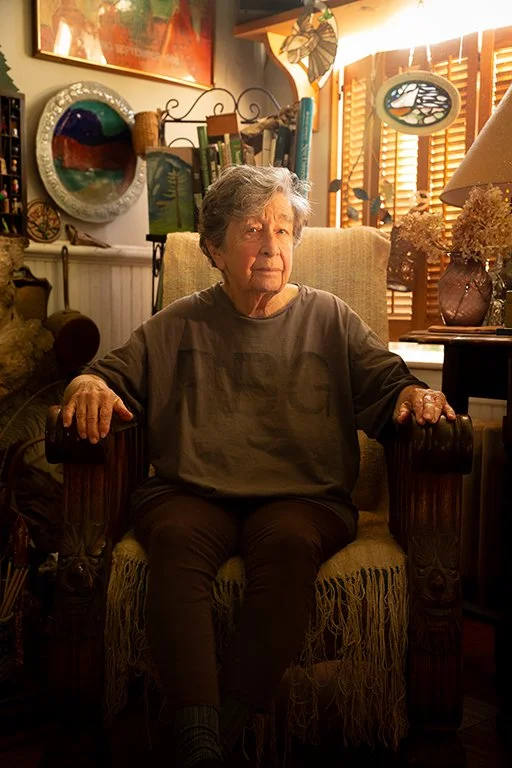
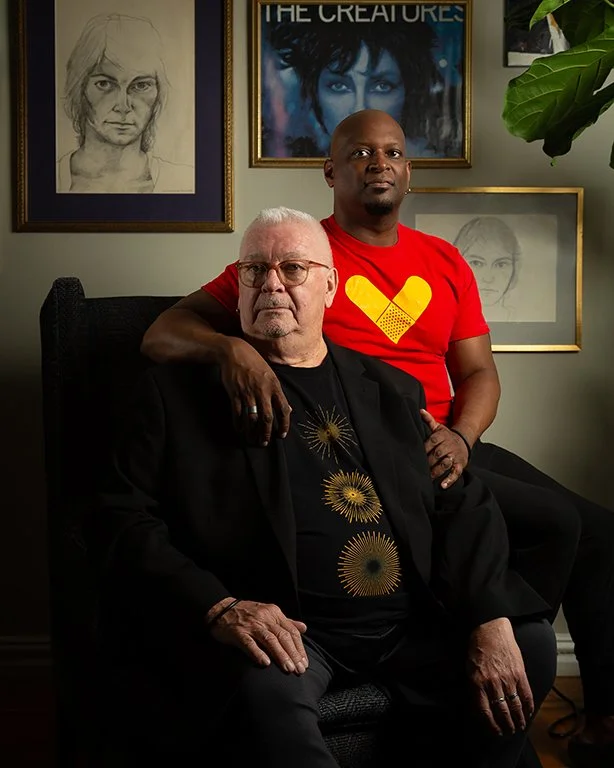
I collected many stories from the more recent residents. The common thread seems to be that many moved here to find peace, refuge, or solace. Some of those who found community in Athens made their homes a welcoming beacon of sanctuary.
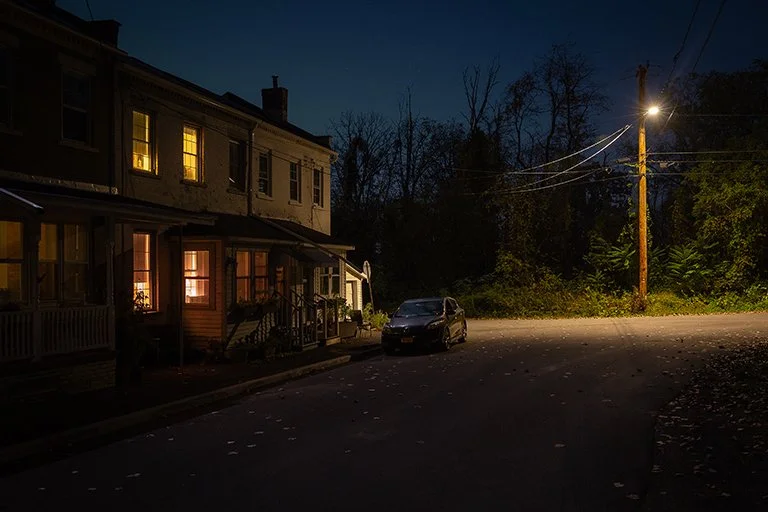
Brick Row was built to house employees of the White Elephant Railroad (Saratoga and Hudson River Railroad), a failed attempt by Daniel Drew and Cornelius Vanderbilt to create a steamboat to rail shipping terminal. At the turn of the last century, it became the refuge for a community of Italian immigrants excluded by residents of the Village. Brick Row holds a special place in this project as it’s been my anchor in Athens and my connection to the town since I first visited 14 years ago. It is now the home of a small community of creatives and others who relish the calm of the idyllic setting.